Behind the Build: Engineering at Vinted Pay
Payments can look pretty simple from the outside. Someone buys an item, the seller gets paid and the money appears in their Vinted Wallet. But behind the scenes, there’s a lot more going on.
Gediminas Jasvilis is a Lead Backend Engineer at Vinted Pay, and that complexity is exactly what makes working in payments interesting. He joined Vinted around three years ago, when the payments engineering team had around 30 engineers. Today, there are almost 100.
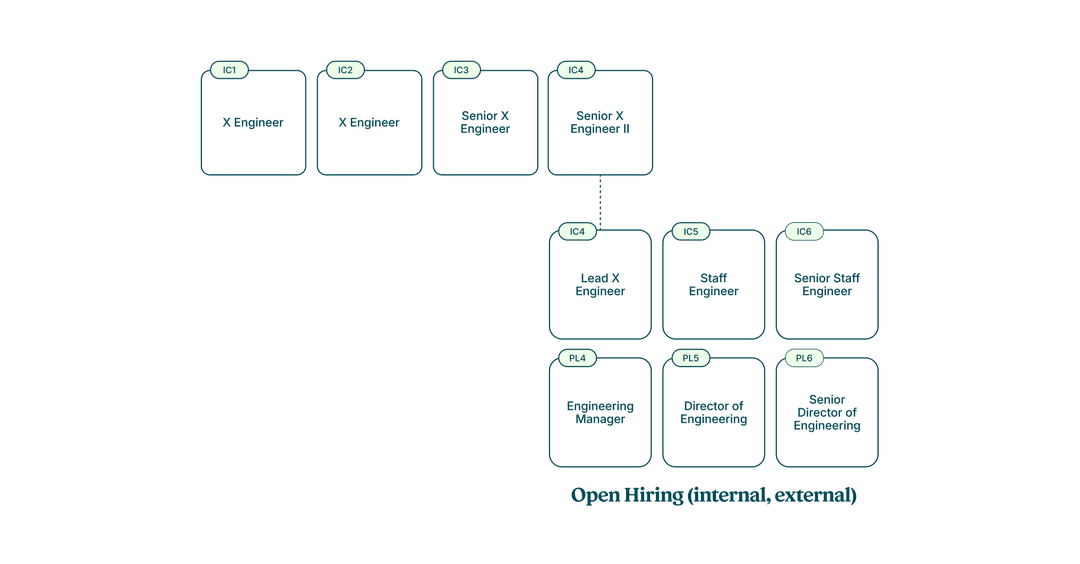
His journey is an example of Vinted’s evolving career framework for Backend Engineers. At Level 4 (IC4), engineers can now take one of two paths: Senior Engineer II, centered on deep technical expertise, or Lead Engineer, which combines technical depth with broader leadership and influence.
So, what does that difference actually look like? And how do you know which path might suit you?
Building Vinted Pay from the ground up
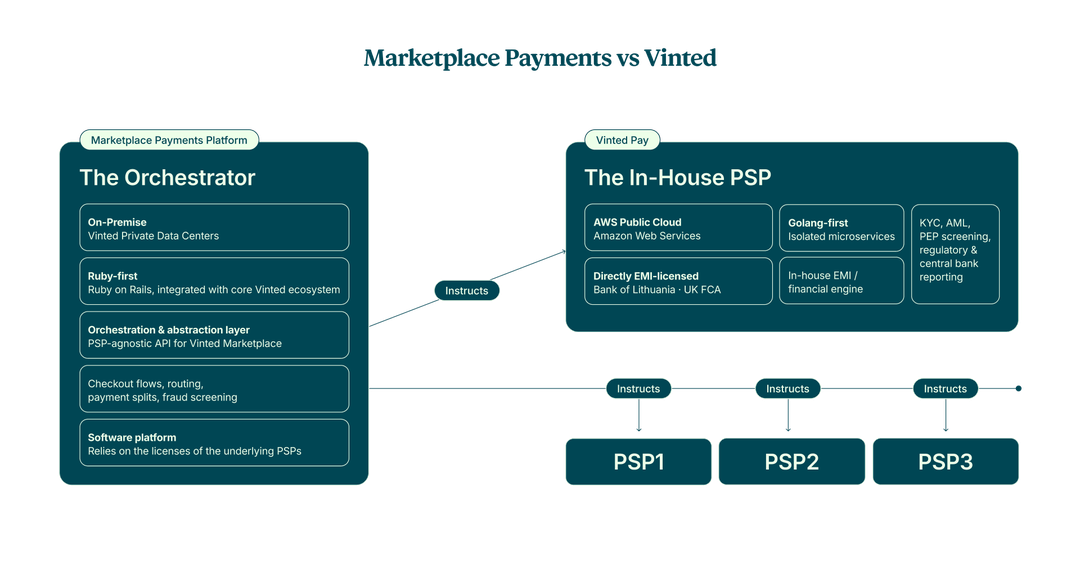
Vinted Pay is the newest part of the Vinted Group. As a licensed electronic money institution (EMI), it’s being built as Vinted’s own payment service provider, working alongside the external payment providers Vinted also uses. When members sell on Vinted, money held in their Vinted Wallet can be spent on the platform or withdrawn to their bank account.
Gediminas describes joining Vinted Pay as getting the chance to build something almost from scratch, but with the scale of an established company behind it.
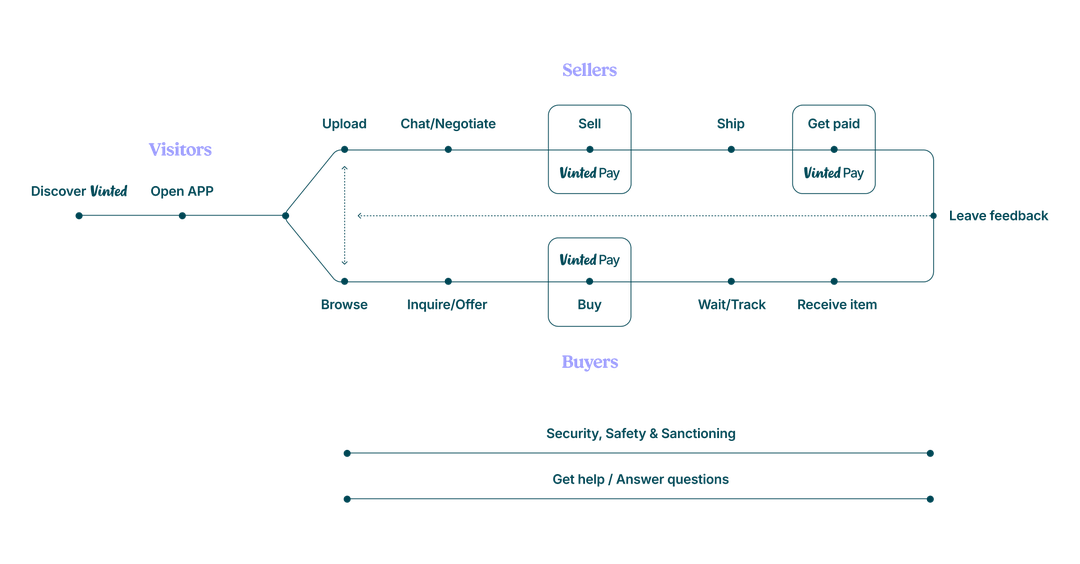
The scale has changed considerably. As well as the team of engineers growing rapidly, Vinted now supports millions of users as it continues migrating members from legacy payment service providers to Vinted Pay.
That growth brings new challenges. Vinted Pay needs resilient systems that can reliably serve millions of members, while migration between payment providers needs to cause as little disruption as possible. Members can continue trading across multiple payment providers during the process, with no downtime.
There’s regulatory complexity, too. Expanding payment services across countries means working with different licences, regulators, requirements and processes – many of which need to be built from the ground up.
You don’t often get an opportunity to build up a product from zero to a million users. It’s like a startup within a companyGediminas Jasvilis, Lead Backend Engineer
The tech behind Vinted Pay
Vinted Pay also has its own technical identity. A lot of its early backend was written in Ruby because it allowed the team to move quickly. But as the platform grew, the team realised scaling would require significantly more computing resources. Their response? Rewrite the ledger service in Go – in just two to three months.
Today, Go is Vinted Pay’s main backend language, with its services running on AWS. Gediminas says engineering leadership gives teams significant freedom to choose technologies and drive ideas from the bottom up – something that can be rare in larger businesses.
But greater scale also means greater responsibility. In the early days, the team could build without live users on the platform. Now, engineering decisions have an immediate impact on millions of people – so testing is key.
Two ways to grow at Level 4
As Vinted Engineering has grown, its career framework has evolved, too. The updated framework recognises that senior engineers can have a significant impact in different ways.
Senior Engineer is the Level 3 (IC3) role. At IC4, there are now two distinct paths: Senior Engineer II and Lead Engineer. Level 4 is a challenging step up from Level 3, with new responsibilities and expectations – and it won’t be the right path for everyone. But for anyone who wants to progress, there are opportunities to do it in different ways.
Senior Engineer II: building expertise
This is the specialist route. Think of a T-shaped engineer with a stronger vertical bar: someone who develops deep expertise in a particular technology, service or complex area of the platform. They become a subject-matter expert and play a key role in executing some of the team’s most important technical initiatives.
For an engineer who enjoys focused time, independently solving complex technical problems and becoming the go-to person in a particular area, this path could be a good fit.
Lead Engineer: multiplying technical impact
There’s still plenty of technical depth with a Lead Engineer role, but the horizontal bar of that T becomes more pronounced. Lead Engineers scope complex problems, coordinate teams around solving them, unblock colleagues and work across disciplines such as Product, Design, Finance and Data. They also take a leading role in system design and help others build high-quality, well-tested software.
For Gediminas, choosing this route felt less like a dramatic career change and more like putting a name to the way he was already working.
“Personally, this felt like a natural choice, as this was the track where I felt I was already operating – mentoring, coordinating, leading by example.”
The role calls for strong people skills, but Gediminas is clear that this doesn’t come at the expense of engineering expertise.
The Lead role does require more soft skills, but it still requires engineering excellence. You have to multiply that excellence by leading or influencing others.Gediminas Jasvilis, Lead Backend Engineer
Which engineering path is right for you?
There’s never one right way to progress. Gediminas suggests thinking about the kind of work that suits your style. If you enjoy long stretches of focused work, independently solving difficult technical problems and building specialist expertise, Senior Engineer II might suit you.
If you enjoy being pulled into problems, mentoring others and taking on larger projects that depend on teamwork, then Lead Engineer could be a better fit.
And for engineers early on in their careers, his advice is simple: be proactive, take initiative and offer to help. When you spot a problem, suggest a solution – or even solve it. And whatever you build, make sure it works, can be maintained and keeps getting better.
Because career progression isn't only about writing more complex code. Sometimes, the next step is becoming exceptionally good at solving a particular kind of problem. In other cases, it’s helping an entire team solve problems better. At Vinted, there’s room for both.
Ready for your next engineering challenge?
Vinted Pay is continuing to grow, with engineers tackling the challenges that come with building and scaling payment infrastructure for millions of members.
If that sounds like your kind of work, explore our open roles.